
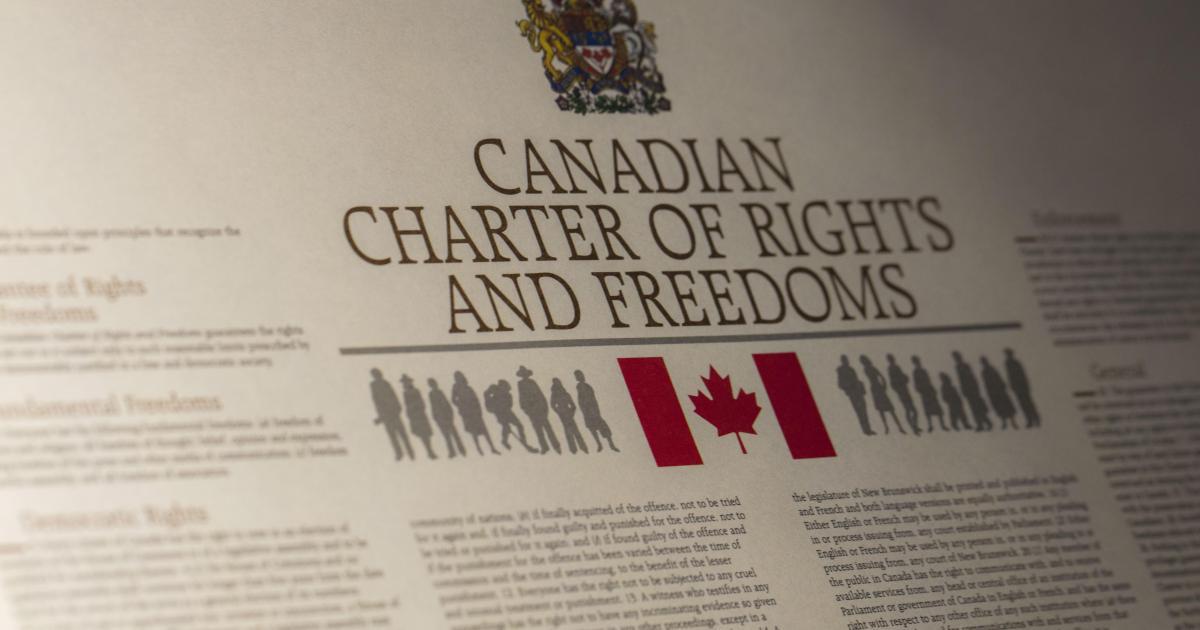
The Canadian Charter of Rights and Freedoms places limits on how police and other government authorities may investigate an alleged offence. Those protections include the right to be free from unreasonable search and seizure, the right not to be arbitrarily detained, and the right to speak with a lawyer after detention or arrest.
When police breach one of those rights, an important question follows: can the evidence they obtained still be used in court?
A Charter Breach Does Not Automatically End the Case
Evidence is not automatically excluded simply because a Charter breach occurred. Under section 24(2) of the Charter, a court must decide whether admitting evidence obtained through the breach would bring the administration of justice into disrepute.
This is a broader question than whether admitting the evidence would help or hurt the accused. The court considers the seriousness of the police conduct, the effect of the breach on the accused’s protected interests, and society’s interest in deciding the case on its merits.
The Supreme Court of Canada established this framework in R. v. Grant. The decision requires courts to balance all three considerations rather than treating any one factor as decisive.
The Seriousness of the Police Conduct
The court will first consider whether the breach resulted from an understandable mistake, carelessness, disregard for established legal requirements, or deliberate misconduct.
Evidence is more likely to be excluded where police knowingly ignore clear constitutional limits or act in a way that the court considers reckless or abusive. By contrast, an isolated and good-faith error may weigh less heavily in favour of exclusion, although describing conduct as a mistake does not automatically excuse it.
In R. v. Harrison, an officer stopped a vehicle without lawful grounds and then searched it, discovering a large quantity of cocaine. The Supreme Court excluded the evidence, emphasizing that the officer’s conduct involved a serious disregard for Charter rights.
How the Breach Affected the Accused
The court also considers how significantly the conduct intruded upon the accused’s privacy, dignity, freedom, or ability to make an informed choice.
An unlawful search of a home may be more intrusive than a brief interference in a less private setting. A prolonged or coercive detention may have a greater impact than a technical violation with limited practical consequences. The circumstances surrounding the breach matter.
Society’s Interest in a Decision on the Merits
Reliable physical evidence may be important to the prosecution of a serious offence. Courts recognize that excluding it can prevent a case from being decided on all the available evidence.
However, reliable evidence is not automatically admissible. The justice system also has a long-term interest in ensuring that authorities respect constitutional limits. Admitting evidence after serious misconduct may cause greater harm to confidence in the courts than excluding it.
Charter Challenges Require Detailed Review
A person may believe that police acted unfairly without necessarily having a viable Charter application. Successful challenges depend on the exact sequence of events, the legal authority relied upon, the evidence available, and the effect of the breach.
A criminal defence lawyer in Whitehorse can review how evidence was obtained and determine whether a Charter issue should be raised. When the circumstances support a challenge, the court may exclude some or all of the evidence. In other cases, a breach may affect the proceedings in a different way or may not alter the final outcome.
Important Legal Disclaimer
This article is provided for general informational purposes only and does not constitute legal advice. Charter rights and available remedies depend on the particular facts, evidence, legislation, and court decisions applicable to each case.
Reading this article, visiting this website, contacting Jensen Law, or submitting information through the website does not by itself create a solicitor-client relationship. A solicitor-client relationship is only established after Jensen Law has agreed to act in a particular matter.
You should not act, or refrain from acting, based solely on this article without obtaining legal advice from a qualified lawyer who has reviewed your circumstances. Jensen Law does not guarantee that this information is complete, current, or applicable to every situation and accepts no responsibility for losses or consequences arising from reliance on this content.